
The Masai Mara National Reserve in Kenya is one of Africa’s most iconic safari destinations, renowned for its rolling savannahs, rich wildlife, and the world-famous Great Wildebeest Migration. For many travelers, a safari in the Mara is the ultimate bucket-list adventure. But one question always arises when planning a trip: What is the best time to visit Masai Mara?
In this in-depth guide by Resorto Safaris, we’ll explore everything you need to know about the seasons in Masai Mara, game drives, wildlife viewing highlights, and the timing of the Great Migration. By the end, you’ll have a clear idea of when to plan your safari for the ultimate experience.
Why Timing Matters in Masai Mara
The Masai Mara is a year-round safari destination. Unlike some parks that shut down during the rainy season, the Mara remains accessible and full of wildlife throughout the year. However, the experience varies depending on the season.
- Wildlife patterns change with the rains. Some months are better for predator sightings, while others are dominated by migratory herds.
- Weather influences comfort. Rainy months can make game drives muddy and challenging, while dry months mean clear skies and easier wildlife spotting.
- Safari costs fluctuate. Peak season prices differ from low-season deals, which can be important if you’re on a budget.
Knowing when to go will help you maximize your experience while aligning with your travel style and budget.
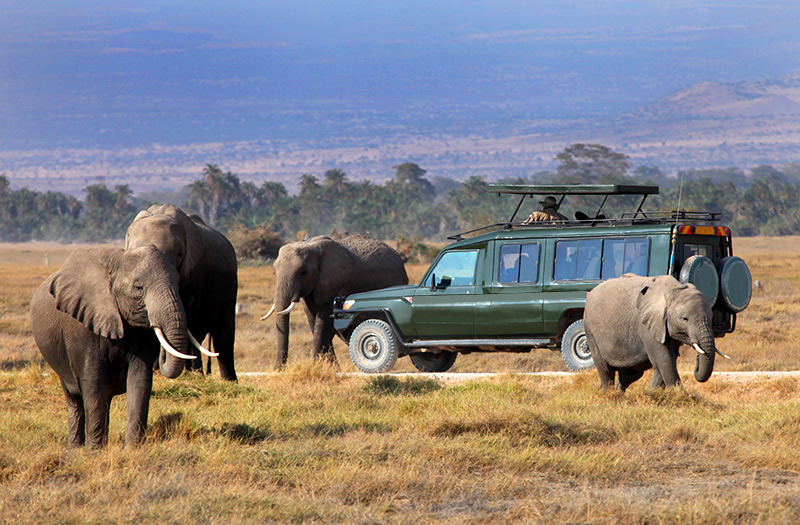
Seasons in Masai Mara
The Masai Mara experiences two main seasons: the dry season and the wet season, each offering unique safari highlights.
1. Dry Season (June – October; December – February)
The dry season is widely considered the best time to visit Masai Mara for several reasons:
- Wildlife gathers around rivers and waterholes, making animals easier to spot during game drives.
- The vegetation is less dense, providing unobstructed views.
- Sunshine and clear skies dominate most days, perfect for photography.
This is also when the Great Wildebeest Migration takes center stage (July to October).
2. Wet Season (March – May; November)
The wet season brings heavy rains, turning the savannah lush and green. While it may not be the most popular time for tourists, it comes with unique advantages:
- Fewer crowds, making game drives feel exclusive.
- Dramatic scenery with fresh vegetation and wildflowers.
- Ideal conditions for birdwatching, as migratory birds arrive.
- More affordable safari packages compared to peak season.
While roads can be muddy and some lodges may close, safaris in the rainy season offer a raw, adventurous feel.
Month-by-Month Guide to Visiting Masai Mara
To help you decide, here’s a breakdown of what you can expect month by month:
January – February
- Dry, sunny weather.
- Excellent for game drives and predator sightings.
- Calving season in some areas – newborn antelopes attract big cats.
March – May (Long Rains)
- Heaviest rainfall of the year.
- Fewer tourists, low rates, and lush landscapes.
- Some lodges may close due to accessibility challenges.
- Great for birding and dramatic skies for photographers.
June
- The beginning of the dry season.
- Grass starts to thin, improving visibility for game drives.
- Wildebeest herds begin moving north from Serengeti into the Mara.
July – October (Peak of the Great Migration)
- Best time to visit Masai Mara for wildebeest migration river crossings.
- Thousands of wildebeest and zebras cross the Mara River in dramatic fashion.
- High predator activity – lions, cheetahs, leopards, and crocodiles hunting.
- Perfect for travelers seeking action-packed safaris.
November (Short Rains)
- Afternoon showers refresh the landscape.
- Wildlife remains abundant, though migration herds may be dispersing.
- Lower prices compared to peak season.
December
- Festive season with many international travelers.
- Dry weather with plenty of wildlife action.
- Great for family safaris and holiday getaways.
Best Time to Witness the Great Wildebeest Migration
The Great Wildebeest Migration is the world’s most spectacular wildlife event, where over 1.5 million wildebeest, zebras, and gazelles move between Tanzania’s Serengeti and Kenya’s Masai Mara.
- July – October: Prime months to witness the dramatic Mara River crossings, where wildebeests brave crocodile-infested waters.
- August – September: Peak action along the Mara River – the ultimate safari spectacle.
- October – November: The herds gradually move back south into the Serengeti.
If seeing the migration is your top priority, plan your safari between July and October.
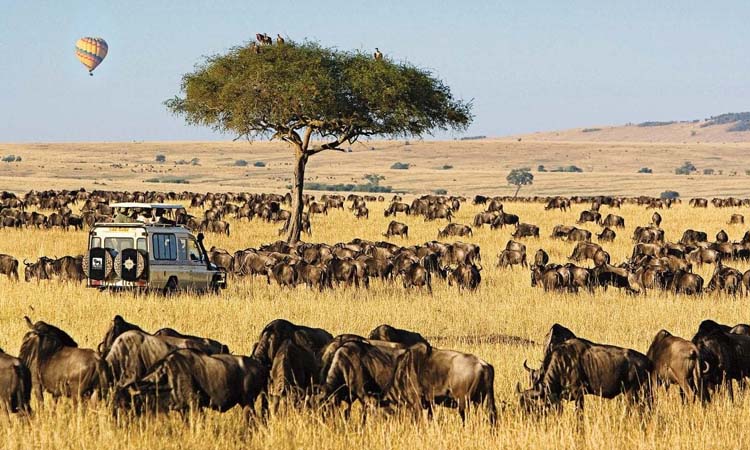
Game Drives in Masai Mara: What to Expect
Game drives are the heart of every safari experience. Depending on the season, your drives will vary in what wildlife you encounter.
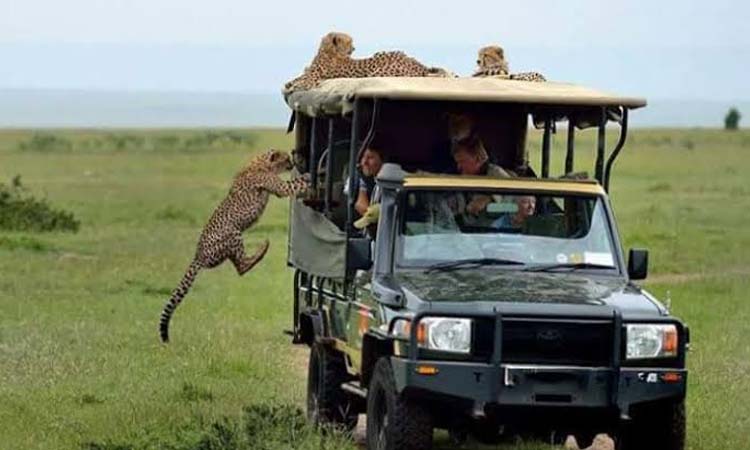
Morning Game Drives
- Begin at sunrise when predators are most active.
- Cooler temperatures make animals more visible.
- Perfect for photography with golden light.
Afternoon Game Drives
- Take place after lunch, lasting until sunset.
- Good for spotting grazers and watching predators prepare for nighttime hunts.
Full-Day Game Drives
- Ideal for travelers who want to cover large areas, especially during the Great Migration.
- Packed lunches allow you to explore deep into the reserve without returning to camp.
Wildlife Highlights Throughout the Year
No matter when you visit, the Masai Mara guarantees incredible wildlife sightings. Here’s what you can expect:
- Big Cats: Lions, cheetahs, and leopards thrive all year round.
- Elephants, giraffes, and buffalos: Always present across the Mara.
- Rhinos: Found in certain conservancies and neighboring Nakuru.
- Birdlife: Over 470 species recorded, especially spectacular during the wet season.
Cost Considerations by Season
Safari costs vary significantly depending on when you travel:
- Peak Season (July – October; December – February): Higher lodge rates, limited availability. Book months in advance.
- Shoulder Season (June, November): Moderate prices, fewer crowds, and still excellent game viewing.
- Low Season (March – May): Lowest prices, fewer tourists, but rains may limit mobility.
If you’re balancing budget and experience, June and November offer the best mix of affordability and rewarding game drives.
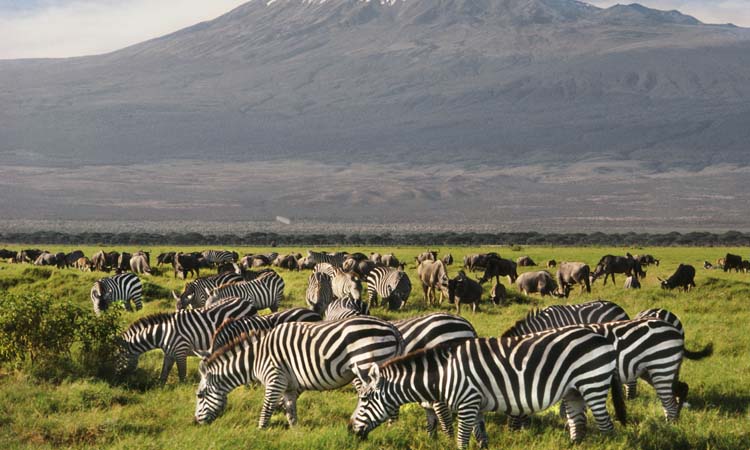
Tips for Planning Your Masai Mara Safari
- Book early for peak season. Camps and lodges fill up quickly during migration months.
- Consider private conservancies. Neighboring conservancies offer more exclusive game drives and activities like night safaris and walking tours.
- Pack appropriately. Light clothing for the day, warm layers for early mornings and evenings, and waterproof gear if traveling during the rains.
- Bring quality photography gear. A zoom lens will help you capture wildlife action during game drives.
- Travel with experts. Choosing an experienced operator like Resorto Safaris ensures knowledgeable guides, well-planned itineraries, and memorable experiences.
Final Thoughts: When Is the Best Time to Visit Masai Mara?
The truth is, there’s no bad time to visit the Mara – it all depends on what you want to experience.
- For Great Migration action, July to October is unbeatable.
- For budget-friendly safaris with lush scenery, March to May is ideal.
- For big cat sightings and clear game drives, January to February shine.
- For balanced experiences, June and November are perfect shoulder months.
Whatever your preference, Resorto Safaris will tailor your safari to ensure you get the most out of your journey. Whether you dream of dramatic river crossings, peaceful green landscapes, or thrilling predator hunts, the Masai Mara has it all.
Frequently Asked Questions (FAQs)
What is the best time to visit Masai Mara?
The best time to visit Masai Mara depends on your interests. For the Great Wildebeest Migration, the ideal months are July to October. If you prefer fewer crowds and lush scenery, March to May or November are excellent. For year-round predator sightings and comfortable weather, January to February also stand out.
Can I see wildlife in Masai Mara all year round?
Yes. The Masai Mara is a year-round safari destination with resident wildlife such as lions, elephants, giraffes, buffaloes, leopards, and cheetahs always present. The main difference lies in the density of vegetation and the presence of migratory herds during certain months.
When does the Great Wildebeest Migration happen in Masai Mara?
The Great Wildebeest Migration usually arrives in the Masai Mara from July to October. During this period, over 1.5 million wildebeest and zebras cross the Mara River, making it the most dramatic wildlife event on Earth.
Are game drives better in the dry season or wet season?
Both seasons offer unique experiences:
Dry Season (June – October; December – February): Easier wildlife spotting, fewer obstacles, and more comfortable game drives.
Wet Season (March – May; November): Lush green landscapes, birdwatching, and fewer tourists for a more exclusive safari feel.
Is Masai Mara expensive to visit during the migration season?
Yes, the peak season (July to October) coinciding with the migration tends to be more expensive due to high demand. Lodges and camps fill up quickly, so it’s advisable to book months in advance. For more budget-friendly safaris, consider traveling in June or November (shoulder seasons).
How many game drives should I expect in a Masai Mara safari?
Most safari packages offer two game drives per day – one early in the morning and another in the late afternoon. Some itineraries also include full-day game drives with picnic lunches, especially during the migration when following the herds.
What should I pack for a Masai Mara safari?
Pack light, neutral-colored clothing, a warm layer for cool mornings, a wide-brimmed hat, sunscreen, insect repellent, binoculars, and a camera with a zoom lens. If traveling during the rainy season, waterproof gear and sturdy shoes are essential.
Can I combine Masai Mara with other safari destinations?
Absolutely! Many travelers combine Masai Mara with Lake Nakuru for rhinos and flamingos, Amboseli for elephant herds with Kilimanjaro views, or Samburu for unique northern species. Resorto Safaris offers multi-destination itineraries to suit your preferences.