
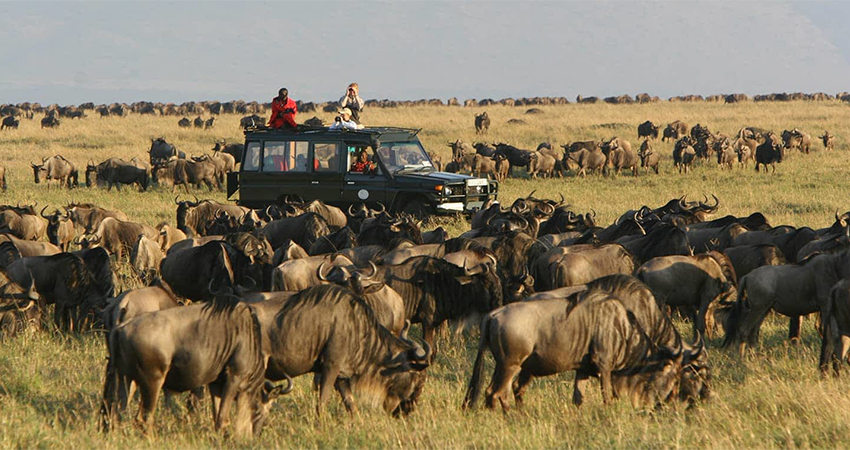
Kenya’s Masai Mara is one of the world’s most legendary safari destinations. From vast herds of wildebeest crossing rivers to lions stalking prey on golden grasslands, it’s a place where raw nature and drama unfold daily. If you want to experience this spectacle, you need to know when to go — which months offer peak migration, what the phases are, what trade-offs exist, and how to plan your safari to see the action.
Ultimate Guide for the Best time to Travel To Masai Mara
In this guide we explore everything about the best time to travel to Masai Mara to catch the Great Wildebeest Migration, including timing, what to expect, where to go, how to plan, and insider tips.
What is the Great Wildebeest Migration?
The Great Wildebeest Migration is one of nature’s most awe-inspiring events, a perennial movement of over a million wildebeest, zebras, and other grazing animals as they follow seasonal rains and fresh grass across the Serengeti-Mara ecosystem. The migration is cyclical, following food, water, and safer calving grounds. Major events in the migration include calving, river crossings, long treks, and predator activity.
For many safari travelers, the dramatic river crossings at the Mara River are the main draw. But the migration is more than that: it includes predator chases, massive herds against the landscape, and raw drama of survival.

Masai Mara: Why It’s a Key Stage of the Migration
Masai Mara, in southwestern Kenya, is the northernmost significant stage of the Serengeti-Mara ecosystem. As the herds migrate north from the Serengeti (in Tanzania), they enter the Mara, where they must cross rivers (including the famous Mara River) to reach grazing lands.
Here’s why Masai Mara matters during migration:
- Dramatic river crossings, full of tension and obstacles — crocodiles, fast currents, and strong predator presence.
- High predator activity as lions, hyenas, leopards, and other carnivores take advantage of the migrating herds.
- Varied landscapes — river banks, plains, escarpments — offer excellent game viewing and photography.
- Good safari infrastructure — camps and lodges geared up for migration tourism, making experience more comfortable and accessible.
Seasons in Masai Mara & Their Wildlife Highlights
Understanding the seasonal cycle in Masai Mara will help you choose when to travel based on what wildlife encounters you want.
| Season | Months | Weather & Conditions | Wildlife Highlights |
|---|---|---|---|
| Long Dry Season / Migration Peak | June ‒ October | Dry, clear skies, grass short, water sources limited. Cooler mornings and evenings. (Masai Mara) | Wildebeest river crossings, predator action high, very visible wildlife, easier travel on roads. |
| Short Rains / Transitional | November ‒ December | Light rains begin, vegetation moistens. Fewer tourists (outside festive periods). (Go2Africa) | Good for birdwatching, lush scenery, fewer crowds. Migration mostly moving out. |
| Green Season / Shoulder Period | January ‒ March | Post-rain fresh growth, lush landscapes. Some rain, but warm. (Masai Mara) | Calving season in Serengeti (though Masai Mara might not yet have herds), excellent for photography, juvenile animals, dramatic predator-prey interactions. Wildlife still abundant. |
| Long Rains / Pre-Migration Movement | April ‒ May | Heavy rains may make roads challenging. Vegetation thick. (Masai Mara Website) | Fewer tourists, good prices, but migration is not yet in Mara; herds still in Serengeti region. |
When Is the Best Time to Travel to Masai Mara for the Migration
If your goal is to witness the Great Wildebeest Migration in its most dramatic form, these are the periods you should aim for:
- July: The herds begin arriving in the Masai Mara. Early river crossings may start toward the end of July.
- August: Peak time — river crossings are most frequent. Huge herds, steep drama, predator presence high.
- September: Herds are spread across the Mara. Crossings still happen. Wildlife is still abundant. Slightly fewer crowds than in August, but full experience continues.
- Early October: The tail end of the migration in Masai Mara. Herds begin moving back toward Serengeti as rains begin. Still good wildlife, though river crossings taper off.
So the sweet spot for combining dramatic migration events (especially river crossings) with relatively stable weather is mid-July through September.
If you travel slightly outside this window, you may still see a lot, but your chances of river crossings and large herd sightings decrease.
Peak Months: What to Expect in July, August, September & October during the Great Wildebeest Migration
Here’s a deeper look at what each of these months offers and what you should plan for and the best time to travel to Masai Mara:
- July: The beginning of the migration. Herds cross into Mara from Serengeti. Weather becomes dry. Lodge occupancy starts increasing — book in advance. Great for early crossings and avoiding the very peak crowds.
- August: This is prime time. River crossings are frequent. Wildlife concentrated near the riverbanks. Photographers love the action. Lodges may be at capacity; prices highest.
- September: Herds spread across more of Mara. Visibility excellent. Some river crossings still occur. Slight reduction in tourists. A good balance between wildlife spectacles and more relaxed safari pace.
- October: Migration begins to wind down in Mara. Still very good wildlife sightings. Vegetation starts recovering with the short rains. Prices might drop slightly. Less predictability in crossings but still a rewarding time.
Pros and Cons of Visiting Outside the Great Migration Peak
If your travel dates don’t align with mid-July to October, you might consider traveling in other seasons. These have their own advantages and challenges.
| Advantages | Disadvantages |
|---|---|
| Lower prices on lodges, flights, and safari packages. | The migration herds may be far away (in Serengeti or somewhere else), so no river crossings. |
| Fewer tourists → more intimate safari experience, less crowded lodges, more relaxed pace. | Weather may be less predictable; roads might be muddy or inaccessible. |
| Great opportunities for birdwatching, lush green landscapes, young animals just born, scenic beauty. | Some camps might have reduced services, or game drives less dramatic. Less guarantee of marquee migration events. |
How to Choose the Right Lodge & Location for the Migration
Choosing your lodge strategically can make or break your migration safari experience. Here are factors to consider:
- Proximity to River Crossings: Lodges near the Mara River or conservancies close to key crossings (Mara North, Mara Triangle, Sand River area etc.) improve chances of seeing crossings.
- Lodge Category: Luxury vs mid-range vs budget. Luxury lodges offer quicker response times, private guides, early drives, sundowners. Mid-range may compromise on some luxuries but still great.
- Conservancy vs Main Reserve: Conservancies have fewer tourists, private access, and more flexibility. They often have less vehicle congestion.
- Duration of Stay: Minimum 3 nights is recommended, but 5 or more gives you a buffer for migration timing, postponements, or unpredictability.
- Booking Early: Especially in peak months, lodges fill up. Early reservations secure better rates and options.
Booking & Travel Tips to Maximise the Migration Experience
To ensure you get the most from your migration safari, these tips will help:
- Book at least 6-12 months ahead for peak times (July-September) to secure good lodges and better prices.
- Stay flexible with your dates. Migration timing can shift with rainfall and environmental factors. A buffer of a day or two can be useful.
- Choose the right vehicle & guide: Guides familiar with migration patterns + good 4×4 vehicles = quicker access to crossings, better positioning.
- Stay focused near high-action zones: Riverbanks, known crossing points, routes where herds often travel. Lodges with quick access to these zones are ideal.
- Go for early morning or late afternoon game drives: These times have cooler temperature, great light, and high predator activity.
- Use migration updates / local scouts: Some lodges have trackers or migration scouts who monitor herd movements — a huge advantage.
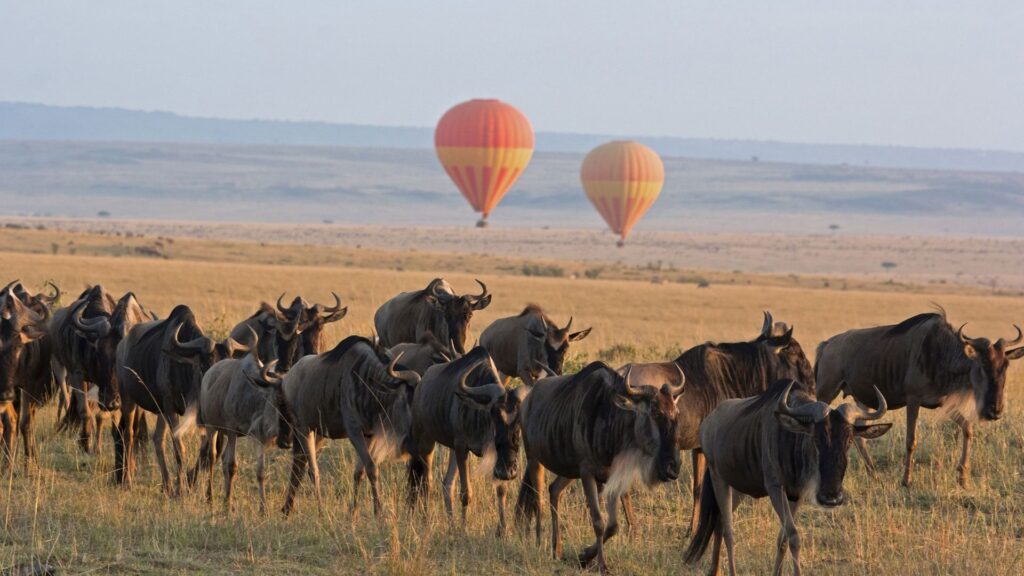
- Plan for photography: Bring good zoom lenses, extra batteries, sun protection. If hot air balloon rides are offered, they often give spectacular aerial views during the migration.
What to Pack & Prepare For when travelling for the Great Wildebeest Migration
Here are essentials and luxury touches for a Great migration safari to Masai Mara in peak season and the best time to travel to Masai Mara:
- Neutral-colored clothing (khaki, olive, tan), layers for chilly mornings and evenings.
- Wide-brim hat, sunscreen, sunglasses.
- Rain jacket (for occasional showers), light fleece.
- Binoculars & zoom lens camera.
- Comfortable walking shoes or boots.
- Insect repellent.
- Daypack, reusable water bottle.
- Power bank, extra memory cards.
- Motion-sickness remedies (if river crossings or bumpy roads).
Frequently Asked Questions (FAQs) About the Best Time to Travel to Masai Mara and the Great Wildebeest Migration
When is the best time to visit the Masai Mara for the Great Wildebeest Migration?
The best time to visit the Masai Mara for the Great Wildebeest Migration is between July and October. During this period, millions of wildebeest and zebras cross the Mara River from Tanzania’s Serengeti in search of greener pastures. It’s the most dramatic and action-filled time to witness nature’s greatest wildlife spectacle.
What month is the Great Wildebeest Migration at its peak in Kenya?
The peak months are August and September, when the river crossings are most frequent. These months offer the highest chance to see wildebeest braving crocodile-filled waters and predators like lions and cheetahs on the hunt.
Can I visit Masai Mara outside the migration season?
Yes! The Masai Mara is an all-year-round safari destination. Outside migration season (November to June), you can still enjoy incredible wildlife sightings, including the Big Five, fewer crowds, and lower accommodation rates — ideal for a more peaceful safari experience.
Where is the best place to stay in Masai Mara during the migration?
For the best views and access to migration routes, stay near the Mara River or Talek River areas. Luxury lodges and camps like Rhino Luxury Camp, Entim Camp, and Mara Serena Safari Lodge offer prime locations to witness river crossings and dramatic predator action up close.
How far is Masai Mara from Nairobi, and how do I get there?
Masai Mara is approximately 260 kilometers (about 5–6 hours by road) from Nairobi. Alternatively, you can take a 45-minute flight from Wilson Airport to an airstrip inside the reserve — a convenient option for travelers short on time.
What should I pack for a Masai Mara safari during migration season?
Pack light and practical safari clothing — including neutral-colored clothes, a hat, sunscreen, a warm jacket for chilly mornings, binoculars, and a good camera for photography. Don’t forget insect repellent and travel insurance for a worry-free safari.
Is the Great Wildebeest Migration the same every year?
The migration follows seasonal rainfall patterns and grass growth, so exact timings vary slightly each year. However, the general movement — from Tanzania’s Serengeti to Kenya’s Masai Mara between June and October — remains consistent annually.
How can I book a Masai Mara migration safari with Resorto Safaris?
You can easily book your Masai Mara Great Migration safari through the Resorto Safaris website or by contacting their expert safari team. They’ll help you choose the best travel dates, accommodations, and customized safari packages to match your preferences and budget.
Conclusion
The Masai Mara’s Great Wildebeest Migration is one of nature’s most dramatic spectacles. If you want the best chance of witnessing the river crossings, predator action, and the full drama of millions of wildebeest and zebras moving across the plains, plan your safari for mid-July through September.
Booking early, choosing the right lodge and location, staying long enough, and packing well will help you get the most from the journey. And even outside migration peaks, Masai Mara shines with resident wildlife, landscapes, and unforgettable safari experiences.
At Resorto Safaris, we combine expert knowledge, premium lodges, and flexible itineraries to help you travel during the optimal times. Let us help you plan your migration safari so you can witness the wildest drama on earth — in comfort, style, and awe.